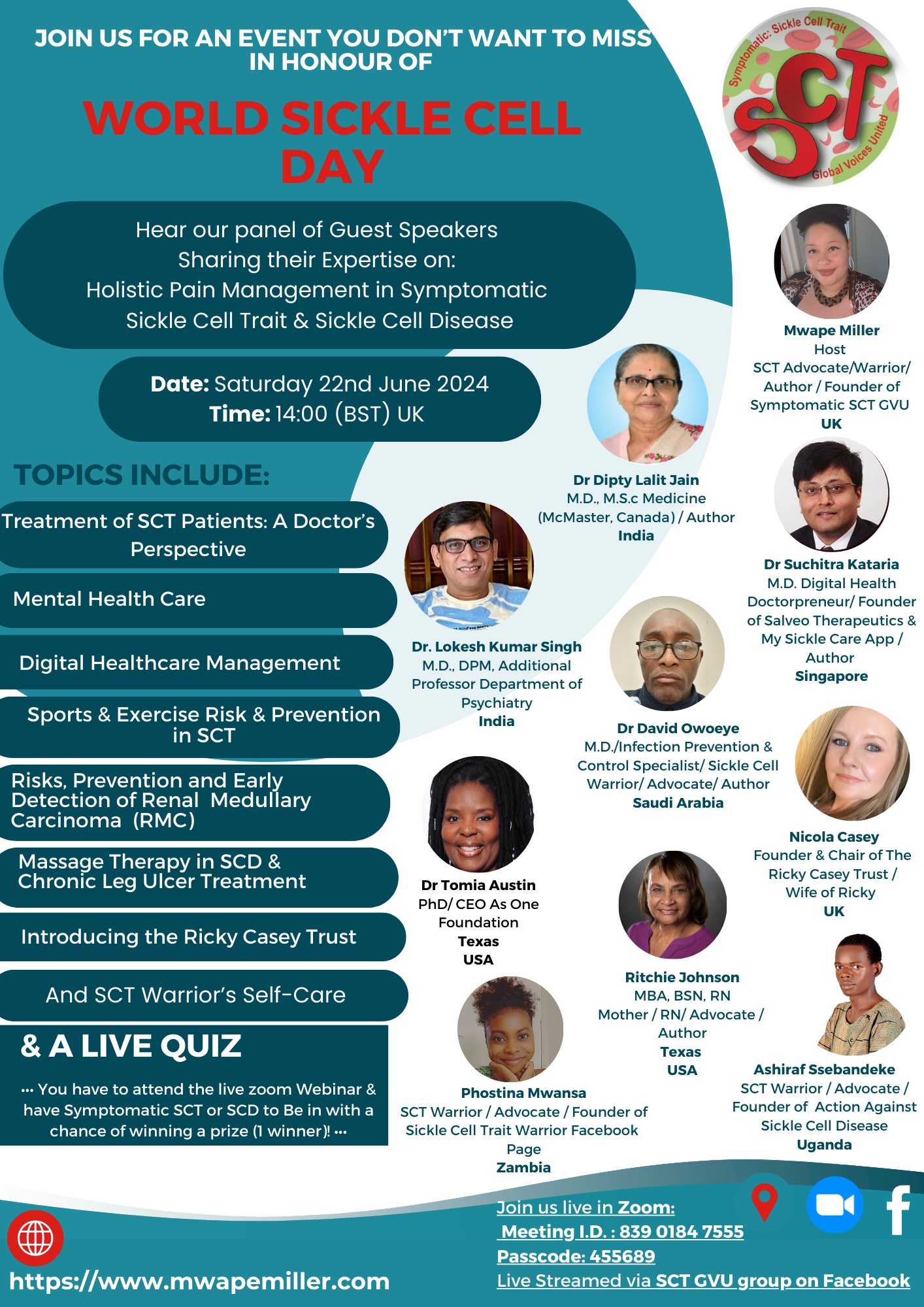
We are so excited to announce our Renal Medullary Carcinoma Support Group partners are on an esteemed panel for World Sickle Cell Day representing RMC! This events features Ritchie Johnson of Chris ‘CJ’ Johnson Foundation (US) and Nicola Casey of The Ricky Casey Trust (UK) and several other international perspectives on Sickle Cell Trait/Disease. Every time SCT and RMC are discussed together, progress is made in our community. We are so glad these incredible ladies are talking about it! We encourage you to attend this event and learn more.
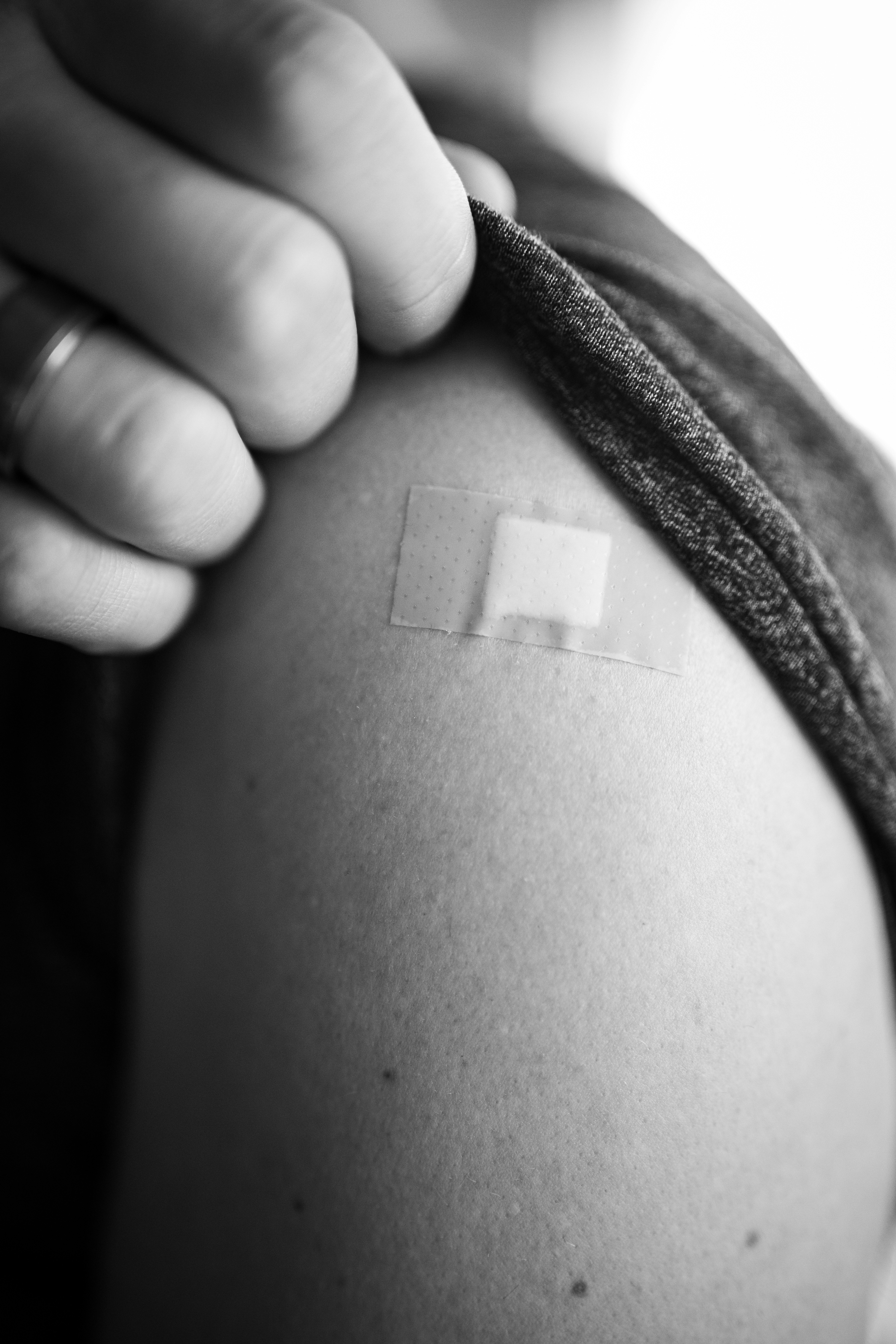
Oh it’s not that kind of shot. It’s the other kind of shots, which require some modification for people with cancer. It just
so happens that ASCO (American Society of Clinical Oncology) has come out with new guidelines regarding vaccines for cancer patients.
The guidelines include a recommendation for doctors to take vaccination histories at the start of cancer treatment, followed by provision of recommended vaccines, re-vaccination after cancer treatments that wipe out immunity (for instance stem cell transplant), as well as vaccination of household contacts in order to protect the cancer patient.
We are more vulnerable to infection, because our immune system is injured by chronic inflammation, by the cancers, and by our treatments. Also, we don’t get as good an immune boost from some vaccines as people without cancer do.
If our immune system is “compromised” we can’t take live vaccines at all, and non-live vaccines aren’t as effective. Live vaccines contain weakened but still replicating virus or bacteria. They cause a mild infection in normal people, which triggers an immune
response. But for those of us with a weakened immune system, live vaccines, such as chicken pox/shingles, measles, mumps, oral typhoid, and German measles, can cause a real infection. Non-live vaccines are safe, including the new RNA vaccines. Non-live vaccines for different conditions can be given on the same day.
Here is a summary of recommendations, which I have shortened for prostate cancer:
“Clinicians should determine vaccination status and ensure that adults newly diagnosed with cancer and about to start treatment are up to date on seasonal vaccines as well as age- and risk-based vaccines
Vaccination should ideally precede any planned cancer treatment by 2-4 weeks. However, nonlive vaccines can be administered during or after chemotherapy or immunotherapy, hormonal treatment, radiation, or surgery
Adults with solid and hematologic cancers traveling to an area of risk should follow the CDC standard recommendations for the destination Note. Hepatitis A, intramuscular typhoid vaccine, inactivated polio, hepatitis B, rabies, meningococcal, and nonlive Japanese encephalitis vaccines are safe
It is recommended that all household members and close contacts, where feasible, be up to date on vaccinations “
Here are some specific recommended immunizations for adults with Cancer:
One dose of Tdap, followed by Td or Tdap booster every 10 years
Hepatitis B
19-59 years: eligible 60 years and older: immunize those with other risk factorsc
For adults 20 years and older, use high antigen (40 µg) and administer as a three-dose Recombivax HB series (0, 1, 6 months) or four-dose Engerix-B series (0, 1, 2, 6 months)18
Recombinant zoster vaccine
19 years and older
Two doses at least 4 weeks apart
Pneumococcal vaccine
19 years and older
One dose PCV15 followed by PPSV23 8 weeks later OR One dose PCV20d
HPV
27-45 years: shared decision making
Three doses, 0, 1–2, 6-monthsAbbreviations: HPV, human papillomavirus; PCV, pneumococcal conjugate vaccine; PPSV-23, 23 valent Pneumococcal polysaccharide vaccine; RSV, respiratory syncytial virus; Td, tetanus and diphtheria; Tdap, tetanus, diphtheria and pertussis.
a Live attenuated influenza vaccine, which is administered as a nasal spray, cannot be given to patients with cancer.
bTdap has lower amounts of diphtheria and pertussis toxoid and is only used for those 7 years and older. DTaP, the pediatric vaccine for prevention of tetanus, diphtheria, and pertussis, is only for children younger than 7 years.
cHIV, chronic liver diseases, intravenous drug use, sexual risk factors, incarcerated individuals.
dPatients who have previously received PCV13 only can receive one dose of PCV 20 after an interval of 1 year.
Abbreviations: HPV, human papillomavirus; PCV, pneumococcal conjugate vaccine; PPSV-23, 23 valent Pneumococcal polysaccharide vaccine; RSV, respiratory syncytial virus; Td, tetanus and diphtheria; Tdap, tetanus, diphtheria and pertussis.
a Live attenuated influenza vaccine, which is administered as a nasal spray, cannot be given to patients with cancer.
bTdap has lower amounts of diphtheria and pertussis toxoid and is only used for those 7 years and older. DTaP, the pediatric vaccine for prevention of tetanus, diphtheria, and pertussis, is only for children younger than 7 years.
cHIV, chronic liver diseases, intravenous drug use, sexual risk factors, incarcerated individuals.
dPatients who have previously received PCV13 only can receive one dose of PCV 20 after an interval of 1 year.
Now, a few further details about some common shots:
COVID
The COVID-19 vaccines protect patients with cancer, reducing the risk of severe COVID-19 illness and hospitalization. The recommendation is to receive at least one dose of the updated 2023-2024 COVID-19 vaccine. For those on therapies which diminish the immune response, ASCO recommends additional vaccine doses after 2 months. It is recommended to postpone immunization for 2-3 months for individuals who have recently had a COVID-19 infection.
FLU
It is safe to vaccinate during chemotherapy or while white cells are low. But the nasal spray flu vaccine should not be given to patients with cancer.
Pneumonia
Patients with cancer are at higher risk for pneumonia. (Blood cancers 50 times the risk!) Pneumonia vaccines reduce the chances of getting pneumonia and the need for hospitalization.
Shingles
There is a new vaccine called RZV. It is non-live so OK for us. (the previous vaccine, a live attenuated type, is not recommended for patients with cancer.) RZV should be made available to all adults with cancer. This vaccine remains immunogenic even after cancer treatment has begun.
RSV
Patients aged 60 years and older with cancer are eligible to receive the respiratory syncytial virus vaccine.
Our immunity to tetanus, diphtheria, and pertussis weakens as we age, and this decline may be accelerated after cancer treatment. It is strongly recommended that individuals diagnosed with cancer receive the Tdap vaccine if they have not been vaccinated as adults.
Why bother?
“Infections are the second most common cause of non–cancer-related mortality within the first year after a cancer diagnosis, with most of these deaths attributed to influenza and pneumonia, deaths that can be prevented throughimmunization. While patients with cancer have lower immune responses to influenza and pneumococcal vaccines, evidence supports the safety and benefits of vaccinations in reducing the severity of infections and associated hospitalizations.”
Often we will see the term “immunocompromised.” Does this apply to us? This term is not, to my knowledge, precisely defined. For those of us with prostate cancer, it usually means neutrophils (a type of white blood cell) are down below 1000 cells per microliter of blood, and is usually due to our treatments. The immune system is complex, and there are many ways to become “immunocompromised.” Anyone on chemotherapy could be considered to be immunocompromised. .Ask your oncologist if you fit this category, and if you know of a clear generally accepted definition, please write to me.
The authors sum up: “A cancer diagnosis can be overwhelming, and vaccination may not be an immediate priority in the treatment plan. However, numerous studies consistently highlight the best protection when vaccines are administered before starting cancer treatment, emphasizing the need for early vaccination.”
AnCan takes a holistic approach to your physical and mental health. AnCan also recognizes that a healthy mouth contributes to a stress free life… and all too often your condition, or the meds you take for it, can disrupt dental health. Some of our groups speak frequently about dry mouth (xerostomia), loss of taste (ageusia) and ONJ … osteonecrosis of the jaw.
When, Dr. Bob Gurmankin DMD, a recently retired dentist living with advanced prostate cancer, noticed the frequency with which these dental topics came up in his group, he suggested a two-step support program – 1) a handout on our website, and 2) a dental health webinar in 2024… watch out for this int he New Year.
One handout alone was not going serve all needs so Dr. Bob graciously prepared THREE to kick start our effort to help you maintain a healthy mouth.
Please download whatever is appropriate and spread the word to others who you think may benefit. Dr. Bob Gurmankin can be reached at dr.bob@rickd13.sg-host.com ; if you have questions he has kindly agreed to assist… THANK YOU DR. BOB!!!
Please participate in our Groups where you’ll find more support… onward & upwards.
AnCan Foundation supports several conditions that compromise the pelvic floor as a result of surgery, radiation, or just side effects of the disease itself. It can impact continence and sexual function for all!
A non-interventional rehab solution is pelvic floor physical therapy – a sub-specialty in itself.
Join one of AnCan’s favorite superstars, urologist Dr. Rachel Rubin, and esteemed expert Dr. Tracy Sher. Together, shared how pelvic floor exercises can help you recover function!
You’ll also get a ton of questions answered, asked by MS Moderator Kim Stroeh, and Prostate Cancer moderator Dr. John Antonucci.
Watch here:
Special thanks to Bayer, Pfizer, Myovant Sciences, Foundation Medicine, Myriad Genetics, Janssen – Johnson & Johnson, and Telix for sponsoring this webinar.
Check back later for slides.
For information on our peer-led video chat VIRTUAL SUPPORT GROUPS, click here.
To SIGN UP for any of our Virtual Support groups, visit our Contact Us page.
Come float away with us, as we create colorful butterflies in this art class! Watercolor pencils can be found at Dollar Tree, Michaels, Hobby Lobby, any craft supply store. You can also use regular watercolor paints, crayons, and colored pencils. Don’t feel like you need to go out and purchase an entirely new set of supplies!
What you’ll need
Paper – watercolor paper if you are using watercolor pencils or paints
Art medium of your choice – watercolor pencils, watercolor paints, crayons, or colored pencils (if using watercolor pencils or paint)

 Oh it’s not that kind of shot. It’s the other kind of shots, which require some modification for people with cancer. It just

 AnCan takes a holistic approach to your physical and mental health. AnCan also recognizes that a healthy mouth contributes to a stress free life… and all too often your condition, or the meds you take for it, can disrupt dental health. Some of our groups speak frequently about dry mouth (xerostomia), loss of taste (ageusia) and ONJ … osteonecrosis of the jaw.