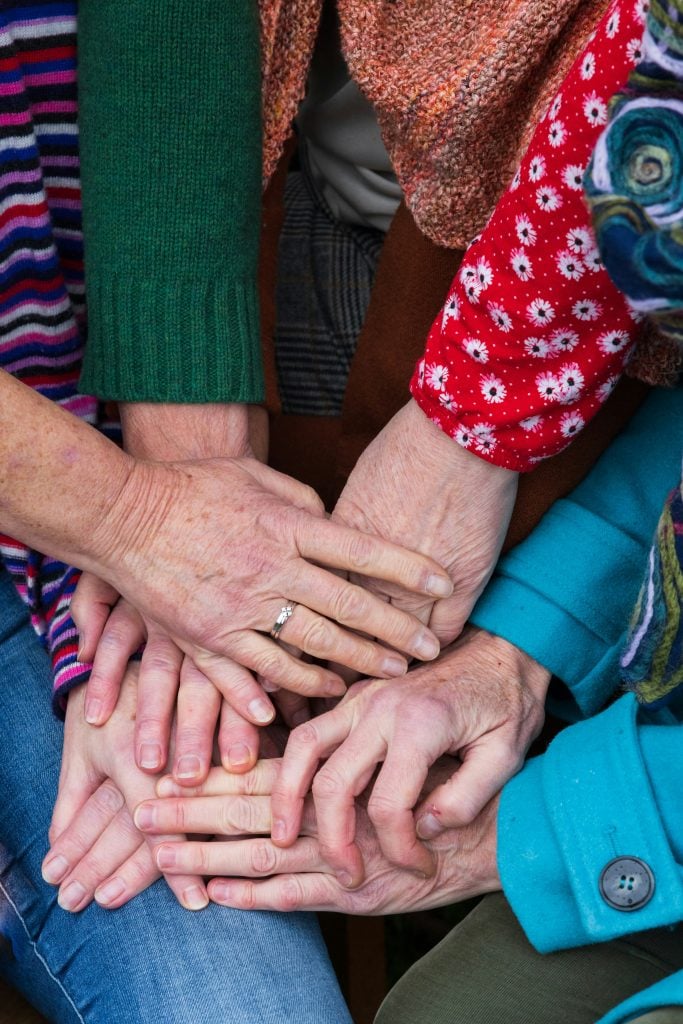
Taking on the role of a care partner can feel overwhelming, but you don’t have to navigate it alone. Many experienced care partners will tell you that with a little guidance, it can also be a deeply fulfilling experience. To help you on your journey, we’ve compiled some helpful resources available online.
1.Leaning Into Grief: An Interview With Claire Bidwell Smith
Claire Bidwell Smith is a therapist, grief expert, and author. Click here for her interview about leaning into grief.
2. Cancer Today: Addressing Anger
Anger and Irritability are normal responses to a cancer diagnosis, and this article offers guidance for care partners of cancer patients.
3. NCCN Guidelines for Patients: Palliative Care
The National Comprehensive Cancer Network released an easy to read, patient-centric Palliative Care guidelines that you can view and download. Click here.
4. “Caregiver Life Hacks”
There’s no one-size-fits-all way to care for someone because every care partner and situation is different. What helps one person might not work for another, but many care partners deal with similar challenges. Click here for some simple “life hacks” that might make your day a little easier.
5. “Caregivers Need Care Too”
“However, primary care partners are also thrust into an unfamiliar world of medical treatments, terminology, and appointments. This is why mutual support between the patient and the primary care partner is important—it is a partnership through thick and thin because both the patient and primary care partner need to learn about the complexities of the disease and treatments needed, as well as make important decisions together.” Click here for the full article.
6. Triage Health Caregiver Resources
Click here for a full list of resources about legal and practical matters like taking time off from work, managing family finances and medical bills, replacing lost wages, estate planning, and other resources.
7. Cancer Straight Talk Podcast: Advice and Support for Cancer Caregivers
The podcast Cancer Straight Talk features host Dr. Diane Reidy-Lagunes speaking with Dr. Allison Applebaum, the founder of the Caregivers Clinic at Memorial Sloan Kettering Cancer Center (MSK). This episode covers navigating the healthcare system and managing the emotions of caregiving.
8. Patient Power: Power of Care Partners: Who Has your Back?
This article is about the crucial role of care partners for people with chronic illness. It distinguishes a “care partner” as a full member of the care team, not just a caregiver. The article also provides advice on practical matters, like having a designated care partner with access to medical records, and emphasizes the importance of care partners looking after their own well-being.
AnCan respectfuly notes that it does not accept sponsored promotion. Any drugs, protocols or devices recommended in our discussion are based solely on anecdotal peer experience or clinical evidence.
AnCan cannot and does not provide medical advice. We encourage you to discuss anything you hear in our sessions with your own medical team.
AnCan reminds all Participants that Adverse Events experienced from prescribed drugs or protocols should be reported to the pharmaceutical manufacturer or the FDA Adverse Event Reporting System (FAERS). To do so call 1-800-332-1066 or download interactive FDA Form 3500, https://www.fda.gov/media/76299/download/.
All AnCan’s groups are free and drop-in … join us in person sometime!
Editor’s Pick: It’s important to work with a Veterans Service Office (VSO) that has your best interest in mind and is working on your behalf. (bj)
Topics Discussed
Claims for Prostate Cancer (PCa) and Chronic Kidney Disease (CKD); PSTD; pension for surviving spouse; problems with VSOs; VA decision process; staying on top of your claim paperwork after submission; submitting a claim for prostate cancer; how to get a second opinion; lessons learned using VA community care — keep your paperwork for bills management; understanding VA appeals; living with Parkinson’s disease and secondary conditions.
Chat Log
Alexa Jett – AnCan Foundation
That’s considered High Risk
Bill O’Brien, Northern VA
Mark, good info! Thanks so much!
Bob Schwartz, USN, Venice FL
Good Mtg., have to go, take care.
Carl Friedrich
A great meeting but I will take my leave. See you next time and many thanks for all the help. Fantastic! Many thanks to all
AnCan – rick
Going to leave you Gents – hope to see you again later in the month. Watch this space for our Vets Speaking Freely. O&U
Birdability: Accessibility and Inclusiveness in The Outdoors
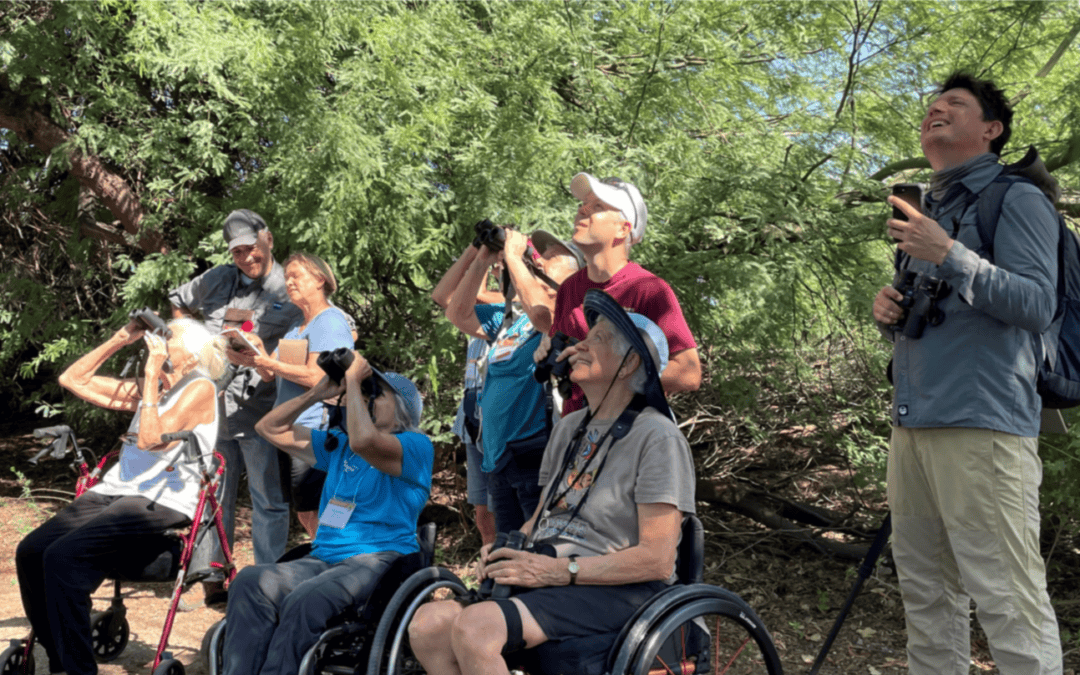
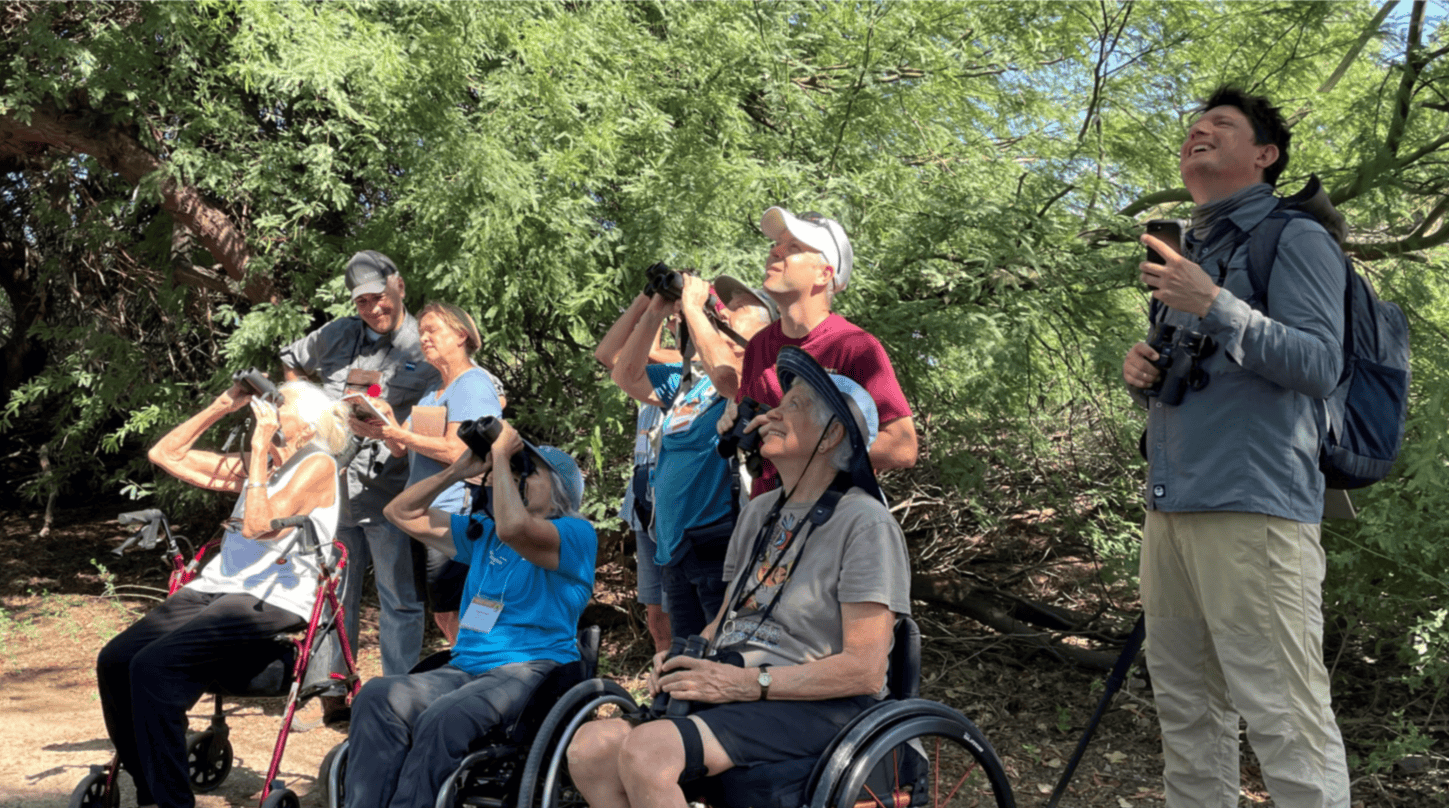
If you’ve ever been to one of the AnCan art classes, you might know me as the art/ painting instructor. It’s me, hi! I’m the kind of person who likes to make it my business to remind everyone to take a deep breath and smell the roses. Maybe paint the roses, too. Do something you love to do. That’s easy to say to an able-bodied person. What if you’re not quite an able-bodied person, but you still adore outdoor activities, like bird-watching?
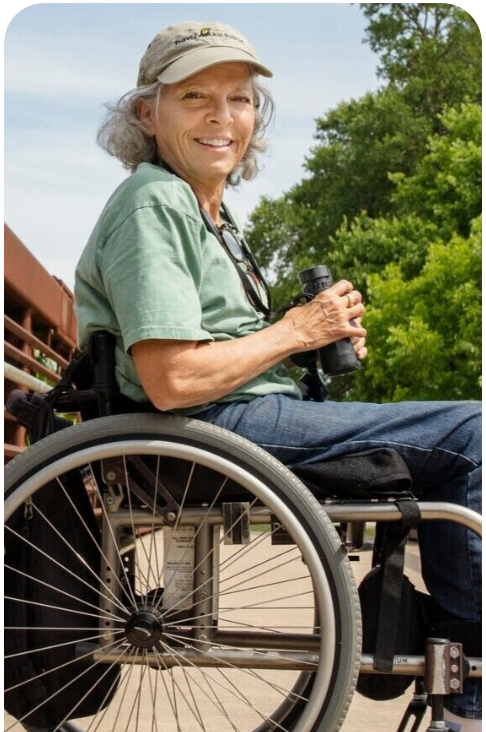
That’s where Birdability comes into the picture! Meet Virginia Rose; Birdability’s Founder and Chair Emeritus. Virginia fell off a horse when she was a teenager, and has been a wheelchair user ever since. She and Rick Davis had a chance encounter at the grocery store recently when he helped her reach a bottle of champagne from the shelves. That’s where he learned all about Birdability and Virginia’s passion for merging accessibility with her love for birds and natural spaces.
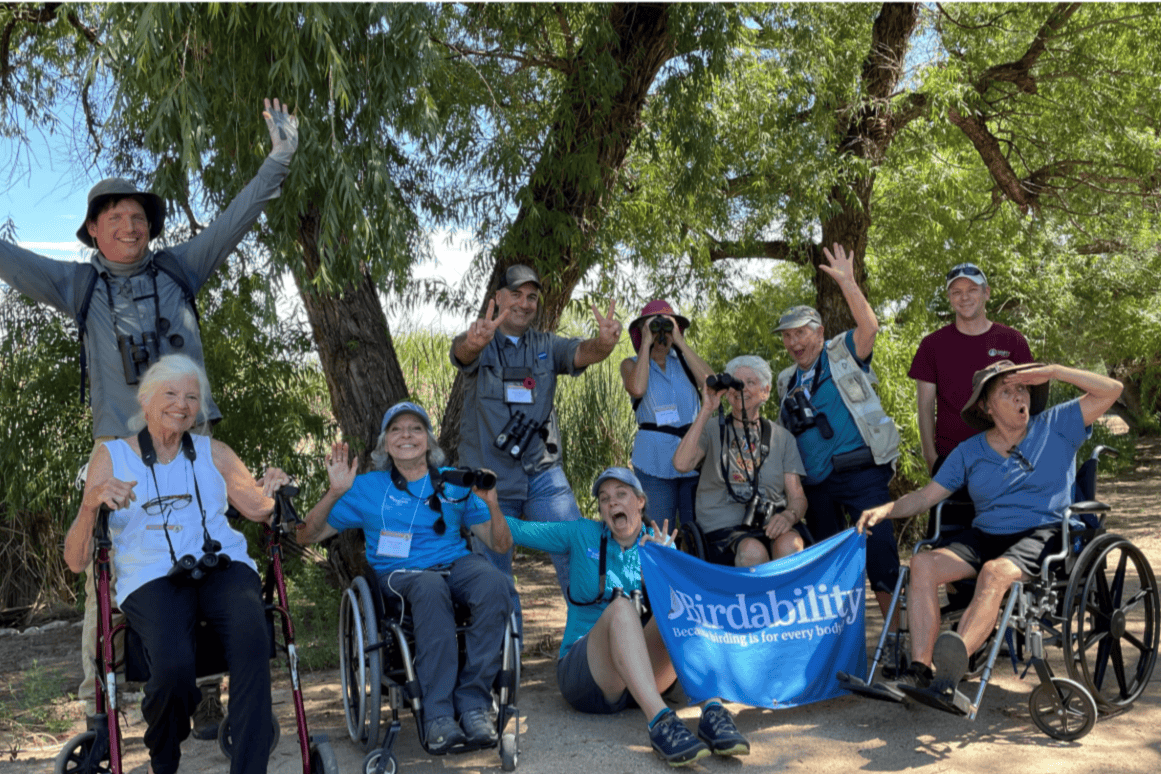
Birdability works hard to call attention to the need for accessible spaces and an inclusive mindset in places that aren’t traditionally thought of as accessible: the outdoors.
“Often it is the environment that is disabling, rather than the person who is disabled” – Birdbility
Their entire mission is to bring the joys of birding and the outdoors to those who may not otherwise be able to experience it. Birding was a hobby that Virginia really leaned into and it helped her to “discover her best self in nature”. Birding can be for anybody and and body; it’s up to the abled to be welcoming to those who may not be as abled.
Even if you, or a friend, have some visual impairments, there are guides on how to bird watch with limited vision; including using sounds and tools to help with your identification. Maybe some of our VSS people can benefit?
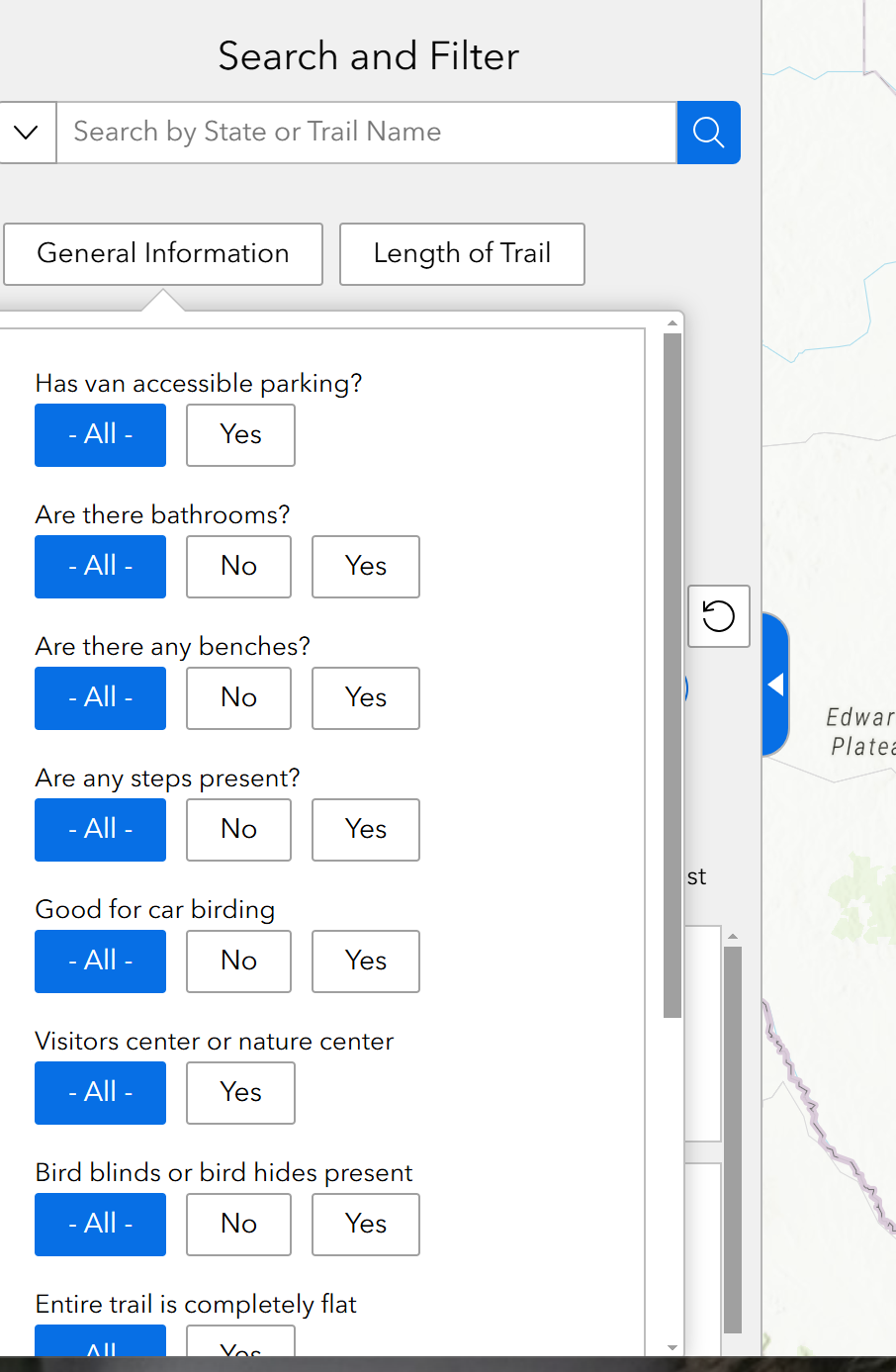
Probably my favorite feature, however, has to be the birding map, which was made in partnership with the National Audubon Society and local contributors. It’s a map intended to help locate accessible trails and outdoor spaces throughout the world. You can filter through so many different features, including surface type (asphalt, concrete, gravel, etc), bathrooms along a trail, parking fees, car birding, and so much more.
I scrolled through other continents just to see what’s out there. I’m sad (but not surprised) to see that there’s not much in he way of accessibility outside the United States, Canada, and Europe. I’m sure there are more parks and places that can be added. I think this just shows how much of a necessary resource that this organization provides. Honestly, I may even use this tool myself to find accessible trails for my own outdoor activities, like painting outside in the park.
“Websites and recommendations from park staff are frequently incomplete — and so unreliable — sources of a location’s true accessibility, and what is accessible for one user may not be accessible for another.”
So many of us want to be outside, but just can’t find reliable information about how to just exist outside. It’s easy to say that an outdoor area has accessible pavement, for example, but is the concrete well-managed and actually accessible for a wheelchair or cane user? Is it on a slope? Are there van-accessible parking spaces? Is there enough shade from the sun? Are there food trucks or other snack/food options? So many things to consider.
That’s where you, if you’re interested in birding, can come in and organize a fun local meetup. You have the tools you need right here!
Anyway, hopefully it isn’t too cold for you to be outside just yet! Go check out Birdability and their Blog and tell us what you think!
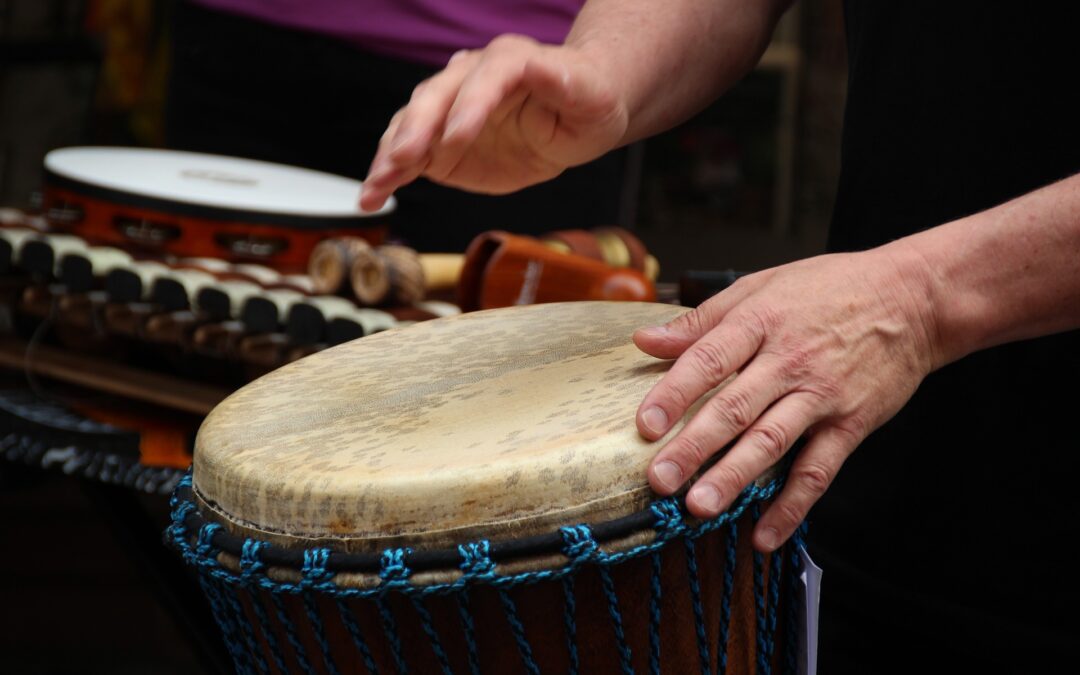
Bang your drum… it could make you smarter and healthier!
I don’t want to work I want to bang on the drum all day I don’t want to play I just want to bang on the drum all day
–Todd Rundgren
Twice in the last several months, the topic of drumming came up in our AnCan Men Speaking Freely group and it generated some excitement both times. So this month’s invite will be on that topic.In my former practice whenever I have given a non-verbal treatment there is a big relief that no talking is involved. In bypassing the verbal and left-brain systems we gain access to a typically unused part of ourselves. I wonder if we can use this approach to cope with our serious illnesses and have a better life?
Our brains have a characteristic called plasticity, the ability to change. You may have heard of this regarding the little finger brain circuit of violinists; it grows as they become proficient. Drummers also have different brains than the rest of us. They have fewer, thicker nerve fibers between the two halves of the brain. They have more efficiently organized motor cortices. (Schlaffke, 2019). Because of this, drummers can do things that we can’t. They can coordinate the two sides of the brain better, and perform motor tasks with greater efficiency. They can play different rhythms with each hand and foot at the same time.
Schlaffke’s subjects had drummed many hours per week for decades. But Bruchhage’s (2020) subjects trained for only 8 weeks and showed several changes in the cerebellum plus changes in the cortex, showing not only cerebellar plasticity but also communication and coordination between the cerebellum and brain sensorimotor areas as well as areas for cognitive control.
Drumming is very complicated, which is why it’s unfair that the lead guitar and vocal guy gets all the girls (Greenfield, J. 2022).
For some reason, there is a close association between beat synchronization (integrating auditory perception with motor activity) and reading ability in children (Bonacina, 2021). Higher synchronization ability predicts better literacy skills. Maybe early intervention involving drumming can improve literacy in kids?
Cahart et.al (2022) showed that drumming can improve behavioral outcomes for autistic adolescents and elucidated some of the neurology involved. Does this mean it could help us?
Drums have been used for millennia for healing, inducing trance, and even psyching up soldiers.
We have learned that drumming is not just about waking up the right brain, but also about connecting the sides of the brain, and the cerebellum with the cortex. It can induce alpha brain waves. It can release endorphins. Even T-cells respond to drumming (Bittman). It induces present-moment experience, which we often work toward to deal with death anxiety. Interpersonal connections are made when people drum together. Despite the effort involved, it induces relaxation. I have come across papers describing drumming and music therapy for a wide variety of emotional problems and currently, there are 8000 music therapists in the US.
How about for us? We see above the possibility of reductions in anxiety, tension, pain, isolation, depression, and over-thinking the past and future. There are many studies of music therapy in ICUs, with patients on ventilators, easing hemodialysis pain, with positive results. Also, helpful with narcotic use, social integration, and depression. MSKCC uses music therapy.
With terminal cancer, there is data showing that music helps breathing, QOL, psychospiritual integration, reducing pain in chemotherapy, radiation, and helps pediatric breast and lung Ca patients (Ramirez 2018, Hilliard 2003, Burns 2015 Tuinmann 2017, Barrera 2002, Li 2011, Lin 2011). Atkinson (2020) found improvement with fatigue. I couldn’t find any studies focused only on Prostate Cancer.
Well, all this scholarly stuff is really unnecessary to anyone who ever banged a pot with a wooden spoon. Kids love it. Adults love situations where it’s OK to be wild and make noise, such as drumming circles and Pound classes. It’s just fun and feels good.
Dr. John Antonucci
Editor: Dr. John wrote this for our Men Speaking Freely Reminder on Dec 7, 2023. It’s such a perceptive, helpful and instructive piece, AnCan wanted to share it widely.
Hi-Risk/Recurrent/Advanced PCa Video Chat, Dec 4, 2023
AnCan is grateful to the following sponsors for making this recording possible: Bayer, Foundation Medicine, Pfizer, Janssen, Myriad Genetics, Myovant, Telix & Blue Earth Diagnostics.
AnCan respectfully notes that it does not accept sponsored promotion. Any drugs, protocols or devices recommended in our discussions are based solely on anecdotal peer experience or clinical evidence.
AnCan cannot and does not provide medical advice. We encourage you to discuss anything you hear in our sessions with your own medical team.
AnCan reminds all Participants that Adverse Events experienced from prescribed drugs or protocols should be reported to the pharmaceutical manufacturer or the FDA Adverse Event Reporting System (FAERS). To do so call 1-800-332-1066 or download interactive FDA Form 3500 https://www.fda.gov/media/76299/download
AnCan’s Prostate Cancer Forum is back (https://ancan.org/forums). If you’d like to comment on anything you see in our Recordings or read in our Reminders, just sign up and go right ahead. You can also click on the Forum icon at the top right of the webpage.
All AnCan’s groups are free and drop-in … join us in person sometime! You can find out more about our 12 monthly prostate cancer meetings at https://ancan.org/prostate-cancer/ Sign up to receive a weekly Reminder/Newsletter for this Group or others at https://ancan.org/contact-us/
Editor’s Pick: Take a trip with ketamine!! + lotsa useful tips this week. (rd)
Topics Discussed
Only ONE QB, and make sure they are the best choice; out-of-touch rad onc; Keytruda fails – moving on to Pluvicto; ketamine provides remarkable insight BUT don’t overdo it; Mettle Health & BJ Miller; community med onc doesn’t provide standard of care; is a PCa collective voice feasible?… old hands think not!; name the doc you want to see via your provider portal; renal cysts are rarely malignant; use FMI’s mobile phlebotomist to save time; how YOU can load images to MyChart; what to do about ADT fatigue… possibly over exercising??; is PSA too low for liquid biopsy analysis when you have known mets?; hotel deals available for cancer treatment.
Anti androgens: abiraterone, enzalutamide, apalutamide, darolutamide
Bob Gsent · 7:02 PM
Have to go now. I’ll be back a lot sooner. Have a good night.
Jim Marshall, Alexandria, VAsent · 7:10 PM
DOD’s Center for Prostate Disease Research gets $110M per year for Prostate Research. They hire contractors to analyze the proposals and do not go outside their own sphere. Jim Marshall
Here at AnCan, we like to highlight the perspectives of every person that enters our virtual “door”, so to speak. That includes religious perspectives; we are SO proud of how diverse our community is. So, as such, these views aren’t an official AnCan viewpoint.
Now that that’s out of the way, we just thought we would share a more religious perspective on a person’s cancer journey. In her blog, Stingray of Sunshine, author Dana Hendershot asks the question, “If it is truly a God blessing that my cancer was found early, then I also have to believe that God did NOT bless the person whose cancer wasn’t caught early.”
Author, and cancer survivor, Dana Hendershot, goes into depth about those words and phrases that others might deem comforting to someone going through cancer. Phrases like “God has his reasons” are the opposite of comforting for her.
CLICK HERE to read Hendershot’s blog post about her “Theological Quandary”
No matter our religious (or nonreligious) perspective, these sentiments may be felt by many in our community – regardless of which illness you may have.

 With terminal cancer, there is data showing that music helps breathing, QOL, psychospiritual integration, reducing pain in chemotherapy, radiation, and helps pediatric breast and lung Ca patients (Ramirez 2018, Hilliard 2003, Burns 2015 Tuinmann 2017, Barrera 2002, Li 2011, Lin 2011). Atkinson (2020) found improvement with fatigue. I couldn’t find any studies focused only on Prostate Cancer.